Start with the rough-in measurement
The rough-in is the distance from the finished wall behind the toilet to the center of the drain flange. The usual measurement is twelve inches, though some older homes use ten or fourteen. A twelve inch toilet will not sit right on a ten inch rough-in, and no amount of pushing fixes it.
Measure from the wall, not the baseboard, to the center of the closet bolts. If the toilet sits in a corner, check the side clearances too. Check the product page for the rough-in and the bowl shape before you buy.
Parts and tools list
Most installs need the same short list.
- ✓A toilet with tank, bowl, seat and the hardware kit.
- ✓A new wax ring or a waxless seal. Do not reuse the old one.
- ✓Closet bolts and nuts, usually sold with the ring.
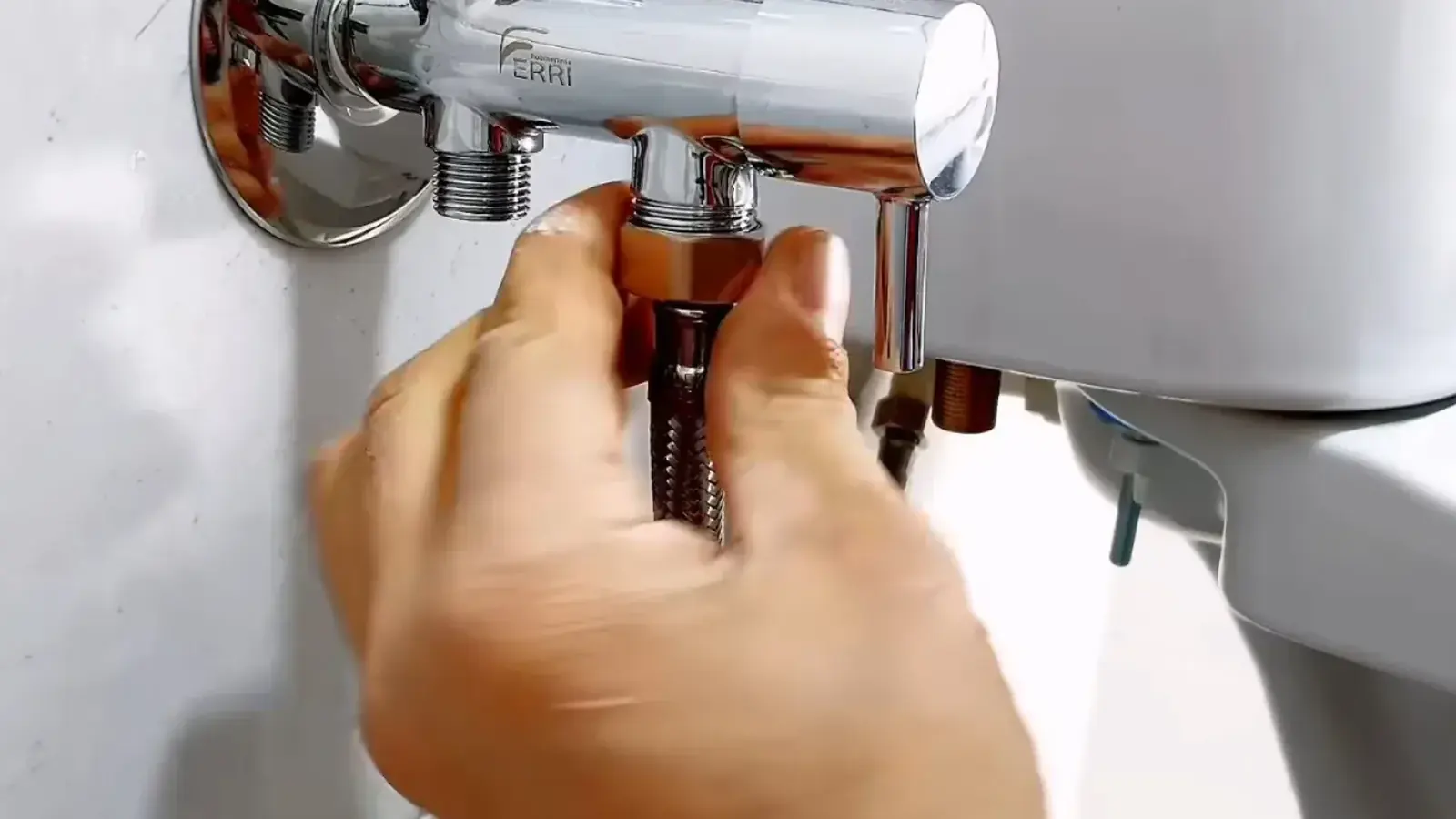
- ✓A braided stainless supply line sized for the toilet.
- ✓A shutoff valve if the old one is stiff, corroded or leaks.
- ✓Plumber's putty or caulk, a level, an adjustable wrench and a putty knife.
- ✓A helper, because a toilet can weigh more than a person expects.
How the installation goes
Doing it in order prevents leaks.
- 1Shut off and drain. Close the shutoff, flush and sponge out the tank and bowl.
- 2Remove the old toilet. Disconnect the supply, remove the nuts and lift straight up. Stuff a rag in the drain to block sewer gas.
- 3Inspect the flange. It should be solid, level and sit on top of the finished floor. A cracked or rusted flange needs repair before anything else.
- 4Set the ring and bowl. Place the new ring, lower the bowl straight down onto the bolts and press down with your weight, not a rock.
- 5Tighten, connect and test. Tighten the nuts evenly and do not overdo it, then attach the tank, connect the supply and test for leaks.
Flange problems and what to do
Flange trouble causes most failed installs.
| Flange condition | Result | Fix |
|---|---|---|
| Flange below the floor | Wax ring does not seal | Use a flange extender |
| Cracked or broken ears | Toilet rocks, bolts do not hold | Repair ring or replace flange |
| Corroded cast iron | Weak hold, possible leak | Replace the flange |
| Rotted floor around it | Toilet sinks or wobbles | Repair the subfloor first |
Toilets in Chapel Hill and Carrboro homes
OWASA's water quality report advises rubber parts that resist chloramine. The fill valve and flapper inside a new toilet usually come ready, but the supply line gaskets matter too. Use a quality braided line.
Older houses near the historic districts and Carrboro's older streets may have floors that have been replaced and raised more than once, which moves the flange relative to the floor. Check the flange height before you buy a ring.
Plumbing work in Chapel Hill is under the town's Trade Work permit, but replacing a fixture in the same place is normally a simple swap. If you are moving the toilet or adding a bathroom, ask the town or Carrboro's inspections office about a permit. See our plumbing installation page for larger projects.
When to call a plumber
A fixture swap is a reasonable project for a handy person. Call a plumber if the floor is soft, the flange is damaged, the toilet is on a second floor above a ceiling, you are moving the toilet to a new location or the drain is slow. Water damage under a second-floor bathroom is expensive.
If the toilet clogs repeatedly after an install, the problem may be deeper in the line. Our drain cleaning page explains what to expect, and toilet repair covers repairs to the toilet itself.
Choosing the toilet itself
Toilets differ in more than looks. Two-piece toilets are the most common and easiest to carry in pieces. One-piece toilets are easier to clean but heavier. Bowl shape matters in tight spaces, because an elongated bowl extends farther from the wall than a round one. Comfort-height bowls sit taller, which suits many adults and people with sore knees.
Look for the EPA WaterSense label, which identifies toilets that use 1.28 gallons per flush or less and meet performance tests. A toilet that uses less water saves on your OWASA bill over the years. A toilet with a larger flush valve and a glazed trapway tends to clear better and clog less, but a flush rating on the box is not a promise.
If the toilet will replace an older one, measure the old one's footprint and the clearance to the wall, the tub and the vanity. Leave room for your knees and for the plumber's tools later.
Standards worth knowing before you buy
The U.S. EPA's WaterSense label identifies toilets that use 1.28 gallons per flush or less. The International Plumbing Code (IPC), which the North Carolina Plumbing Code follows, sets rules for the flange and the connection to the drain, which is why we check the flange before we set a new toilet.
Common questions
A straightforward swap takes one to two hours. Flange or floor repair adds time.
No. A used ring has lost its shape and will probably leak.
It is the distance from the finished wall to the center of the drain flange, usually twelve inches.
A like-for-like swap is usually simple, but moving or adding plumbing falls under the Trade Work permit. Ask the town or Carrboro's inspections office.
Yes. See our Carrboro page and all of our service areas.